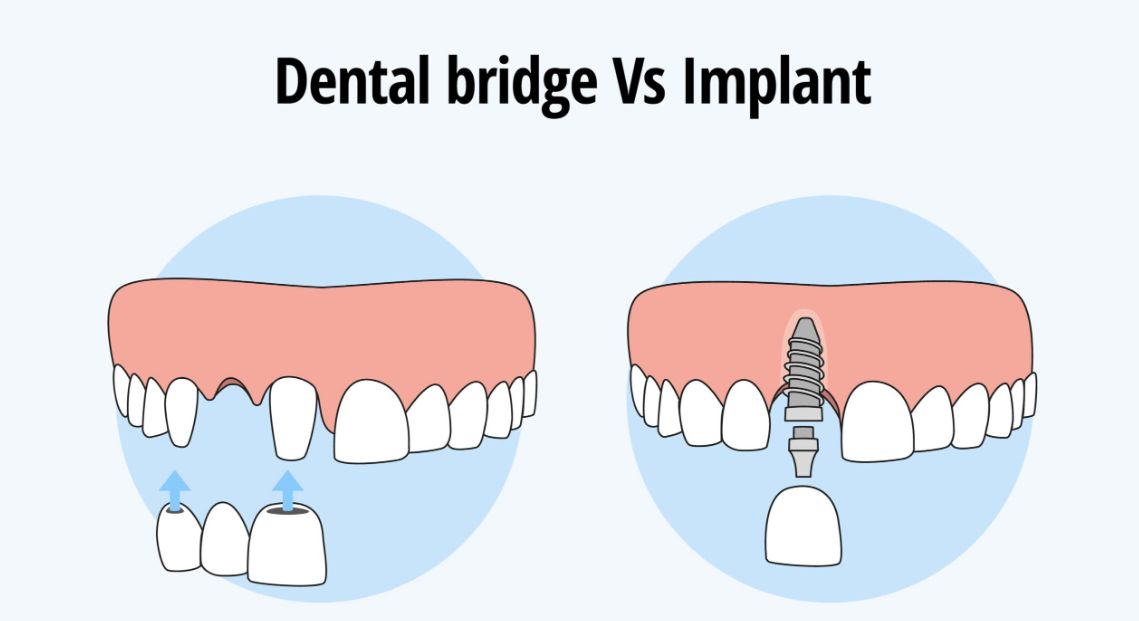
Dental bridges are a trusted, cost-effective, and aesthetic solution for missing teeth, routinely offered in Budapest and throughout Hungary’s leading dental clinics to international patients. This guide covers types of bridges, patient experience, costs, advantages, aftercare, travel logistics, safety, reviews, and expert advice for anyone considering dental travel to Hungary.
Missing teeth impact appearance, oral health, and everyday comfort. Gaps can lead to:
-
Lower confidence and self-esteem
-
Difficulty eating or chewing certain foods
-
Speech problems or mumbling
-
Strain and tilting of adjacent teeth
-
Bite misalignment, decay, and gum disease from food packing in gaps
Restoring lost teeth with a bridge preserves facial harmony, corrects bite and speech, and supports long-term dental health.
What Is a Dental Bridge?
A dental bridge is a fixed restoration that fills the space left by one or more missing teeth. It is anchored to natural teeth (abutments) or implants and replaces the visible portion (pontic) of the missing teeth.
Main benefits:
-
Aesthetic, natural-looking smile
-
Restores chewing and speech function
-
Prevents movement and strain on adjacent teeth
-
Long-lasting, comfortable, and easy to maintain
Why Choose Hungary for Dental Bridges?
Hungary’s reputation as Europe’s “dental capital” is built on world-class care, affordable pricing, rapid scheduling, and premium travel experiences:
-
Highly qualified dentists with international training
-
State-of-the-art clinics using digital impressions, CAD/CAM, and in-house labs
-
Multilingual service: English, German, French
-
Up to 70% cost savings compared to UK, Ireland, Germany, Scandinavia, and US
-
Rapid scheduling, short wait times
-
Vibrant recovery setting in Budapest or renowned spa towns
-
Strong aftercare and product guarantees
Types of Dental Bridges Available in Hungary
Hungarian clinics offer several bridge types, depending on your needs and oral condition:
1. Traditional Fixed Bridge
-
Supported by crowns fitted to two healthy teeth adjacent to the gap
-
Most common and reliable option for single or multiple missing teeth
2. Implant-Supported Bridge
-
Anchored in the jaw via dental implants (ideal for patients missing several teeth or where adjacent teeth are unsuitable)
-
Permanent, stable, and mimics natural function
3. Cantilever Bridge
-
Supported by one abutment tooth
-
Used when only one healthy tooth is adjacent to the gap
4. Maryland (Resin-Bonded) Bridge
-
Uses metal or ceramic wings bonded to back of adjacent teeth (minimally invasive)
-
Ideal for front teeth or single missing teeth
5. Full Arch or Long-Span Bridge
-
Restores entire rows of teeth (often implant-supported)
-
Advanced CAD/CAM techniques for full-mouth rehabilitation
Material Choices for Dental Bridges
Hungary’s clinics use high-quality, EU-certified materials:
-
Porcelain fused to metal (PFM): Strong, aesthetic, cost-effective
-
Zirconia-ceramic: All-ceramic, ultra-durable, metal-free, ideal for front and cosmetic bridges
-
E.max/Pressed ceramic: Premium aesthetics, best for visible teeth
-
Gold: Exceptionally strong, biocompatible (mainly for molars)
Material selection depends on location, function, budget, and cosmetic goals. Your dentist customizes the bridge to blend perfectly with your smile.
Patient Journey: Dental Bridge Treatment in Hungary
1. Remote Consultation
-
Share photos, X-rays, and dental history online
-
Free initial quotes and treatment plan from your selected clinic
2. Arrival in Budapest & Assessment
-
In-person clinical exam, panormic X-ray, digital scans
-
Treatment finalized, timeline confirmed
-
Accommodation, airport pickups, and tourism tips offered
3. Tooth Preparation & Impressions
-
Adjacent teeth may be gently reshaped for crowns (unless using an implant or Maryland bridge)
-
Digital or traditional impressions captured for precise fit
4. Temporary Bridge
-
Protective temporary bridge placed while laboratory creates your custom restoration
5. Bridge Fitting & Final Placement
-
Custom bridge checked for color, bite, aesthetics and fitted permanently
-
Final adjustments for comfort and confidence
-
Detailed instructions for hygiene and care
6. Aftercare & Follow-Up
-
Written guarantees, cleaning advice, and telehealth support for home-country aftercare
Most bridge treatments require 2–3 short appointments over 6–10 days, allowing sightseeing and relaxation in beautiful Budapest.
Cost Comparison: Hungary vs. Western Europe & US
| Type & Units | Hungary (EUR) | UK/Ireland/Europe (EUR) | Savings |
|---|---|---|---|
| PFM Bridge (per tooth) | €690–€1,110 | €1,200–€3,600 | 60–70% |
| Zirconia Bridge (per tooth) | €1,020–€1,500 | €1,800–€4,200 | 60–70% |
| 3-Unit Metal-Ceramic | €900+ | €1,974+ | 55–70% |
| 3-Unit Zirconia | €1,200+ | €2,838+ | 60–75% |
| Full-arch (12 teeth, MC) | €3,600+ | €7,896+ | 55–70% |
| Full-arch (12 teeth, Zirconia) | €4,800+ | €11,352+ | 60–75% |
Quoting is case-specific: Complexity, materials, lab, and location can affect pricing, but Hungary’s cost savings consistently impress international patients.
Real Testimonials and Patient Experiences
“I came to Budapest because dental bridges were out of reach in England. The staff explained every step, the results are beautiful, and my bite is finally comfortable! Budapest also made a perfect holiday—highly recommended for dental tourists.”
“My new zirconia bridge in Hungary cost less than half of my last bridge in Ireland. Quick service, painless process, and the clinic even helped book my hotel and airport transfer. Great value and care.”
How Long Does a Dental Bridge Last?
With proper care, dental bridges in Hungary last 10–15 years or longer. High-tech ceramics and precision manufacturing extend lifespans, especially for zirconia and E.max bridges. Your dentist will advise on best cleaning and check-up protocols for maximum durability.
Aftercare Tips for Bridge Patients
-
Brush twice daily using soft bristles and fluoride toothpaste
-
Floss or use interdental brushes under and around the bridge
-
Avoid hard or sticky foods that could stress the bridge
-
Attend regular dental check-ups (can be done at home or with your Budapest dentist)
-
Clean under bridge pontics with superfloss as directed
Proper care ensures long-lasting function, fresh breath, and oral health.
Dental Bridges vs. Implants: Which Is Right for You?
-
Bridges: Non-surgical, cost-effective, suitable if adjacent teeth are healthy
-
Implants: Permanent, bone-preserving, ideal for multiple or complex losses
Hungarian dentists provide honest guidance based on your health, preferences, budget, and timeline. Implant-supported bridges blend the benefits of both systems, especially in complex or full-arch scenarios.
Travel & Recovery in Budapest
-
Central European flights: Direct connections from UK, Ireland, Germany, Scandinavia, US
-
Airport transfer, hotel booking, and city guides offered by most clinics
-
Recovery: Most patients feel well and ready for gentle sightseeing within 1–2 days. Budapest’s spas and historic attractions offer perfect settings for recuperation
Frequently Asked Questions
How many appointments will I need?
Typically 2–3 visits over a week, but timing can be tailored to travel schedules.
What is included in bridge pricing?
Consultation, X-rays, impressions, lab work, temporary bridge, fitting, guarantees, and follow-up support.
Can I get emergency support after returning home?
Yes. Clinics provide telehealth and digital records for your local dentist, plus product warranties.
Is Budapest safe for dental tourists?
Budapest clinics are ISO/EU certified, patient-satisfaction is extremely high, and dental tourism support is robust—Hungarian dentistry is trusted worldwide.
Your Dental Bridge Journey in Hungary
Dental bridges in Hungary provide international patients with aesthetic, functional, and affordable solutions for missing teeth, delivered in a travel-friendly environment. From advanced materials to expert planning and easy aftercare, Hungarian dental tourism remains the best option for those seeking excellence, savings, and a truly positive patient experience.
Clinics in Budapest and across Hungary stand ready to help you restore your smile—making every dental trip a smart investment in lifelong oral health.