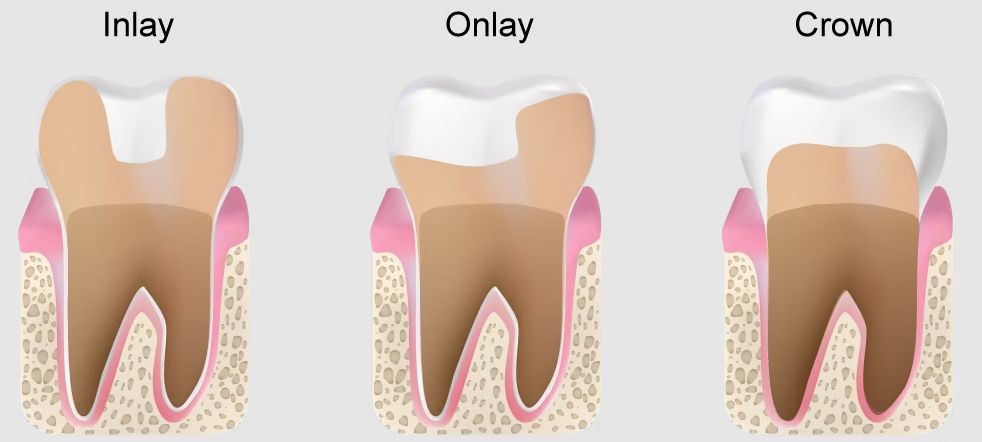
Inlays and onlays are modern dental restorations that offer international patients precise, durable, and aesthetic solutions for tooth decay and damage—without the need for full crowns. Hungary’s leading clinics provide high-quality, custom-fitted inlays and onlays at affordable prices, combining expert care with the advantages of dental tourism in Europe’s renowned medical destination.
What Are Inlays and Onlays?
Inlays and onlays are indirect dental restorations designed to replace lost tooth structure due to cavities or fractures. Unlike direct fillings, they’re crafted in a dental laboratory or via CAD/CAM technology for superior durability and fit.
-
Inlay: Fits within the confines of the tooth’s cusps (chewing surface).
-
Onlay: Covers one or more cusps, sometimes extending over the tooth edges—sometimes called a “partial crown.”
Common indications include:
-
Large cavities or failed old fillings
-
Fractured teeth requiring robust restoration
-
Teeth needing aesthetic improvement without a full crown
Why Opt for Inlays and Onlays in Hungary?
Hungary is internationally recognized for dental tourism, with top clinics in Budapest and regional towns offering a blend of quality, efficiency, and savings.
Key benefits for global patients:
-
Highly skilled dentists with international training
-
Advanced technology including digital impressions and CAD/CAM manufacturing
-
Multilingual service—English, German, French, and more
-
Prices up to 60–70% lower than in UK, Ireland, Scandinavia, or US—even with travel
-
State-of-the-art clinics with modern infection control and patient comfort
Materials and Types: Getting the Right Restoration for You
Hungarian clinics offer tailored inlay/onlay solutions:
-
Composite resin: Tooth-colored, affordable, well-suited for medium repairs
-
Ceramic/porcelain: High strength, aesthetic, and stain-resistant—ideal for visible teeth
-
Gold: Traditional, extremely durable, and gentle on opposing teeth—popular for patients seeking maximum longevity or premium biocompatibility
Material choice depends on:
-
Position and size of restoration
-
Bite strength and surrounding teeth
-
Aesthetic goals
-
Budget and lifestyle needs
Treatment Experience: Step-by-Step Process for Dental Tourists
1. Consultation and Diagnostics
Dentists perform a thorough exam with digital x-rays and photos, reviewing old fillings, fractures, or decay. Digital impression scans or physical moulds are taken for precise planning.
2. Tooth Preparation
The decayed or damaged portion is removed under local anaesthesia for maximum comfort. The tooth is shaped to receive the restoration.
3. Impression and Smile Design
Detailed impressions or scans are captured to craft the inlay/onlay’s fit, color, and contour. Temporary fillings protect the tooth until lab fabrication is complete.
4. Laboratory Work
Using CAD/CAM or traditional techniques, dental technicians produce your custom restoration—generally in 3–5 days (shorter for same-day ceramic systems).
5. Fitting and Bonding
The inlay/onlay is checked for color, fit, bite, and comfort, then bonded permanently with high-strength adhesive.
6. Aftercare and Results
Immediate function is restored. Dentists provide oral hygiene guidance, biting and cleaning tips, and schedule a check-up. Most patients resume eating and travel activities right away.
What Are the Clinical and Cosmetic Advantages?
-
Conservative: Preserves as much tooth structure as possible
-
Precise fit: Perfect margins that reduce risk of recurrent decay
-
Superior strength: Resist chewing, grinding, and wear—ideal for molars
-
Esthetic: Blends seamlessly with natural tooth color and shape
-
Long term durability: 10–20 years lifespan is common with proper care
-
Easy cleaning: Smooth margins make hygiene simple
Cost of Inlays and Onlays: Hungary vs. Western Europe
| Restoration Type | Hungary/Budapest | UK/Ireland/Scandinavia | Savings |
|---|---|---|---|
| Composite Inlay | €210 | €450–€700 | 65–70% |
| Ceramic/Porcelain Inlay | €230–€270 | €800–€1,200 | 70–75% |
| Gold Inlay/Onlay | €350–€450 | €950–€1,800 | 65–75% |
TIP: Many clinics provide package deals for multiple restorations or additional treatments—ask for quotes when planning your dental tourism trip.
Patient Testimonials: Inlays/Onlays in Budapest
“I travelled to Budapest for two ceramic inlays after my UK dentist quoted almost triple the price. The Hungarian team was skilled, gentle, and used digital technology to make the process smooth. My teeth look and feel natural—I’ll be recommending dental treatment in Hungary to friends and family.”
“I needed a gold onlay for a cracked molar. The clinic gave clear advice, fast scheduling, and results that exceeded my expectations. Budapest is a wonderful city for dental tourism—highly recommended.”
Travel Tips for International Dental Patients
-
Budapest and other Hungarian towns are easily reached by direct flight from all major European cities and many US hubs
-
Clinics offer airport transfers and help with accommodations
-
Most inlay/onlay procedures require 2–3 short appointments over 4–6 days
-
Free consultations and x-rays are often available for dental tourists
Modern Innovations: CAD/CAM and Same-Day Dentistry
Hungary’s clinics use digital design and manufacturing for some inlays/onlays—offering same-day or rapid turnaround. Benefits include:
-
Minimal waiting between appointments
-
Superior fit and color matching
-
Real-time patient preview of restoration
-
Digital files for future repairs or replacement
Frequently Asked Questions About Inlays and Onlays
How long does an inlay/onlay last?
When made from ceramic/gold and properly cared for, 10–20 years or longer.
Is treatment painful?
Not at all. Local anaesthesia ensures comfort, and most patients resume normal activities immediately.
Can I travel the same day?
Yes—most treatments allow rapid recovery. Complex cases may advise rest after major procedures.
Are inlays/onlays covered by insurance?
Most European and US private plans recognize Hungarian documentation for reimbursement with itemized bills and treatment reports—always check with your insurer first.
Why choose Hungary over Western Europe for restorative work?
-
Savings of up to 70%
-
Multilingual clinics with international patient management
-
Top-quality materials and experienced technicians
-
Fast, transparent service and travel support
Aftercare Advice for Long-Term Success
-
Brush at least twice daily with non-abrasive toothpaste
-
Floss or use interdental brushes around restored teeth
-
Avoid excessively hard substances (ice, uncut nut shells, hard candy)
-
Attend annual dental check-ups, which can be performed in Hungary or at home
-
Alert your dentist to any discomfort, looseness, or sensitivity—early repairs prevent major issues
Why Hungary Continues to Lead Dental Tourism for Inlays/Onlays
-
International acclaim for skilled dentists and clinics
-
Short wait times, personalized scheduling for travelers
-
Superior quality at competitive prices
-
Seamless support—from airport pickup to detailed aftercare
-
Success rates, happy patient testimonials, and long-term guarantees
Inlays and onlays in Hungary are more than just a dental restoration — they represent European craftsmanship, state-of-the-art technology, and unbeatable value for dental tourists worldwide. Clinics in Budapest and smaller cities cater to international patients seeking affordable, lasting, and beautifully aesthetic restorations—making Hungary the premier choice for restorative dentistry in 2026.